Deck Painting vs. Deck Staining: Which Is Best for Your Home?
Compare the appearance, durability, and maintenance needs of deck paint and stain to find the best option for your South Shore home.
A freshly finished deck can completely transform your outdoor space. It can also help protect the wood from moisture, sunlight, and the changing New England seasons.
But before starting your project, you have an important decision to make:
Should you paint or stain your deck?
Both options can improve the appearance of a wood deck, but they create different finishes and have different maintenance needs. The best choice depends on the deck’s condition, the look you want, and what has already been applied to the wood.
In this guide, we’ll explain the differences between deck painting and deck staining so you can choose the right finish for your South Shore, Massachusetts home.
What Is the Difference Between Deck Paint and Deck Stain?
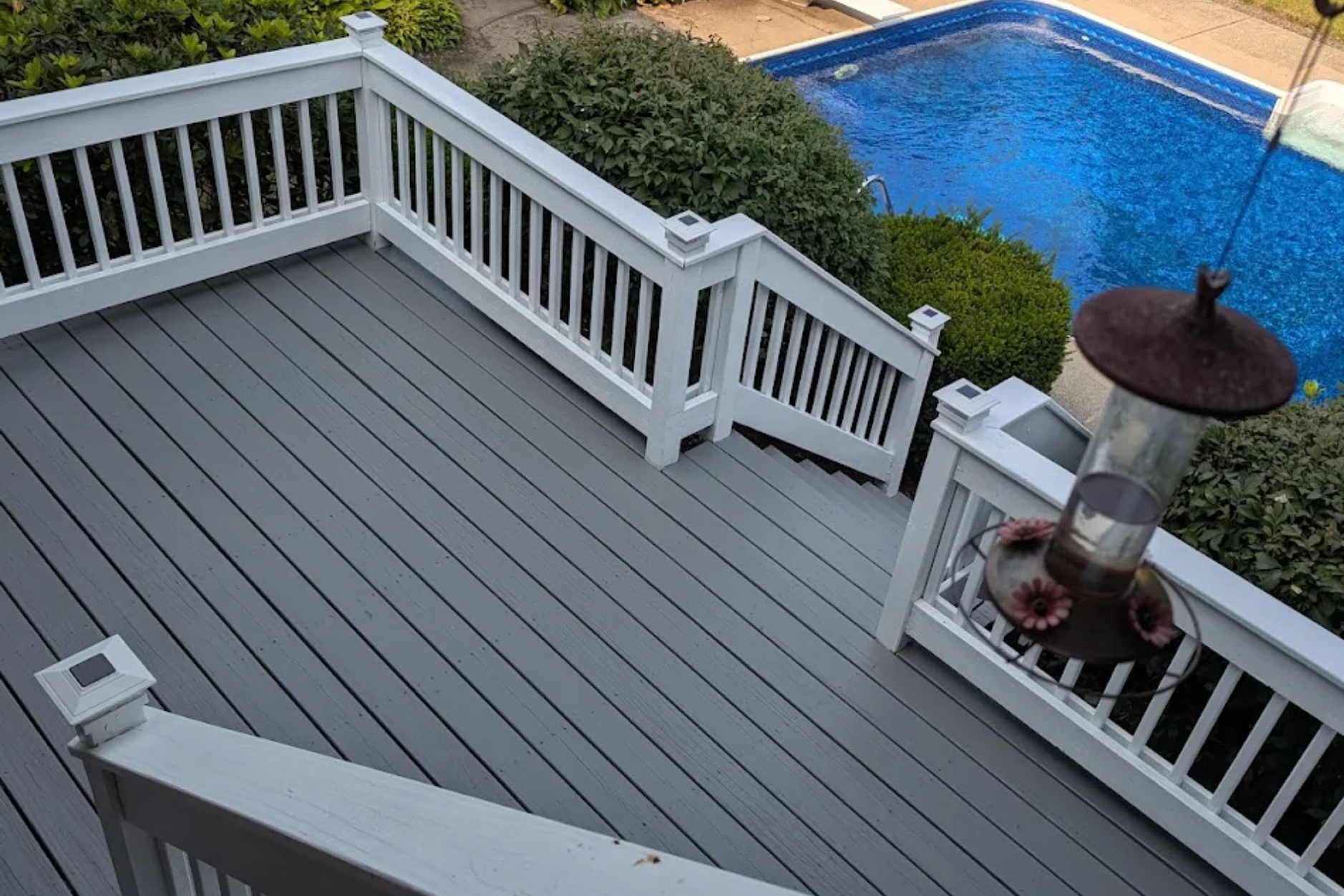
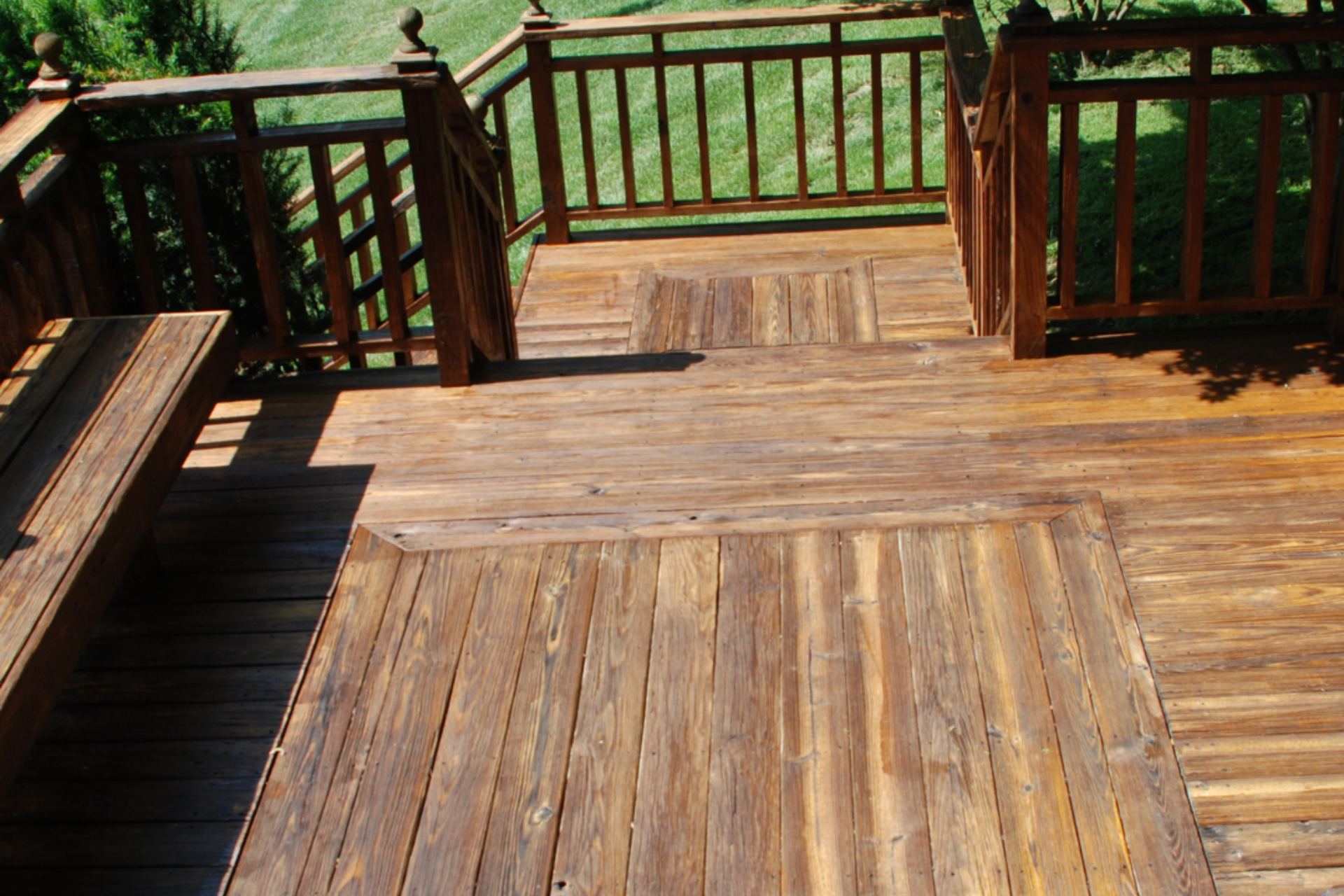
Examples of a painted deck finish and a natural wood-stained deck finish.
The main difference is how each product interacts with the wood.
Deck paint creates a thicker, opaque coating over the surface. It covers most of the wood’s natural grain and gives the deck a smooth, uniform color.
Deck stain penetrates or bonds more closely with the wood, depending on the type of stain used. Transparent and semi-transparent stains allow more of the natural grain to remain visible, while solid stains provide fuller color coverage.
In simple terms:
- Choose paint when you want a completely uniform, painted appearance.
- Choose stain when you want to preserve some of the wood’s natural character.
- Choose solid stain when you want strong color coverage without fully hiding the wood’s texture.
Benefits of Painting a Deck
Painting may be a good option when appearance and color coverage are your main priorities.
More Color Choices
Paint is available in a wide range of colors, making it easier to coordinate your deck with your home’s siding, trim, shutters, or other exterior features.
Whether you prefer a classic gray, crisp white, deep blue, or another custom color, paint gives you plenty of design flexibility.
Covers Discoloration and Uneven Wood
A solid painted finish can help hide:
- Uneven coloring
- Previous stains
- Dark marks
- Weathering
- Minor cosmetic imperfections
- Boards replaced at different times
This can be helpful for older decks with wood that no longer has a consistent appearance.
Creates a Clean, Uniform Finish
Paint completely changes the appearance of the wood. If you prefer a polished finish rather than a natural wood look, painting may be the right choice.
Drawbacks of Painting a Deck
Although paint provides excellent coverage, it may not be the best choice for every part of a deck.
Paint Can Peel or Chip
Deck floors receive constant exposure to foot traffic, furniture, rain, snow, and standing moisture. Because paint forms a coating over the wood, it may eventually chip, crack, or peel—especially if the surface was not prepared correctly.
Once peeling begins, refinishing the deck can require extensive scraping and sanding.
It Hides the Natural Wood Grain
Paint covers the wood grain almost completely. Homeowners who like the natural warmth and texture of wood may prefer a transparent or semi-transparent stain.
Switching Back to Stain Can Require More Preparation
If a deck has already been painted, returning to a more natural stained finish can be difficult. Much of the existing paint may need to be stripped or sanded away before a penetrating stain can be applied evenly.
This is paragraph text. Click it or hit the Manage Text button to change the font, color, size, format, and more. To set up site-wide paragraph and title styles, go to Site Theme.
Benefits of Staining a Deck
Stain is a popular choice for wood deck surfaces because it complements the natural appearance of the material.
Preserves the Look of the Wood
Transparent and semi-transparent stains allow the grain and texture of the wood to remain visible. This makes stain especially attractive on newer decks or wood that is still in good condition.
Available in Different Opacities
Deck stain is not limited to one type of finish. Common options include:
- Transparent stain: Shows most of the wood’s natural grain and color.
- Semi-transparent stain: Adds color while allowing the grain to remain visible.
- Semi-solid stain: Provides additional coverage while preserving some wood detail.
- Solid stain: Offers an opaque color while allowing the wood’s texture to show through.
This variety makes it possible to choose the amount of coverage that works best for your deck.
Easier to Maintain in Many Cases
Stain typically fades and wears gradually instead of peeling in large sheets. Depending on the product and condition of the deck, future maintenance may involve cleaning and recoating rather than removing a thick layer of peeling paint.
Well Suited for Horizontal Deck Surfaces
Because deck floors experience heavy use and direct exposure to weather, stain is often the more practical choice for walking surfaces. A properly selected and applied deck stain can provide color and protection without creating the same thick surface film as traditional paint.
Drawbacks of Staining a Deck
Deck stain also has some limitations.
The Wood’s Condition Remains More Visible
Transparent and semi-transparent stains do not hide every mark or discoloration. If the deck is heavily weathered or has boards with noticeably different colors, a semi-solid or solid stain may create a more consistent appearance.
Fewer Color Options with Natural Finishes
Natural-looking stains are generally offered in wood-inspired shades such as cedar, redwood, brown, gray, and honey tones.
Solid stains provide a much wider color selection, but transparent options are more limited than paint.
Periodic Maintenance Is Still Required
No exterior wood finish lasts forever. Sunlight, moisture, snow, foot traffic, and temperature changes gradually wear down the protective finish.
The deck should be inspected regularly and recoated when the color begins to fade or the wood stops repelling water.
Is Paint or Stain More Durable on a Deck?
There is no single answer because performance depends on several factors:
- The condition and age of the wood
- Previous coatings
- Surface preparation
- Product quality
- Sun and moisture exposure
- How heavily the deck is used
- Whether water drains properly
- Application conditions
Paint can provide long-lasting color and UV protection, but it is also more likely to show noticeable peeling or chipping when the coating begins to fail.
Stain may require more frequent refreshing depending on its opacity and the deck’s exposure. However, it often wears more gradually and can be easier to maintain.
Proper preparation is usually more important than simply choosing the most expensive product.
Which Finish Is Better for an Older Deck?
The answer depends on the deck’s condition.
If the wood is structurally sound but has uneven coloring or visible weathering, a solid stain may be a good option. It provides stronger coverage than a semi-transparent stain while still allowing the texture of the wood to remain visible.
Paint may also cover discoloration, but it should not be used to hide serious wood deterioration.
Before applying any finish, damaged areas should be identified and repaired. This may include:
- Replacing rotted or badly split boards
- Resetting loose nails or screws
- Repairing damaged railings
- Sanding rough or splintered areas
- Cleaning mold, mildew, and surface buildup
- Removing loose or failing coatings
A new coating can improve the appearance of a deck, but it cannot repair rotted or unstable wood.
Can You Paint Over Deck Stain?
In some cases, yes—but the existing finish must be compatible and securely bonded to the wood.
The deck may need to be cleaned, scraped, sanded, and primed before paint is applied. Applying paint directly over loose, glossy, or deteriorating stain can lead to poor adhesion and early failure.
A small test area can help determine whether the new coating will bond correctly.
Can You Stain Over a Painted Deck?
Changing a painted deck to a transparent or semi-transparent stain is usually more difficult.
Because these stains are designed to show or penetrate the wood, the existing paint must typically be removed first. Any paint left behind can create an uneven, blotchy finish.
If complete paint removal is not practical, a compatible solid-color deck stain may be worth considering. The surface should still be carefully inspected and prepared before application.
Can You Paint the Railings and Stain the Deck Boards?
Yes. In fact, this is an excellent option for many homes.
You can use a solid painted finish on railings, posts, and other vertical surfaces while applying stain to the deck floor. This creates a clean, coordinated appearance while using a more practical finish on the heavily traveled horizontal boards.
For example, white railings paired with a brown or gray stained deck floor can create a classic look that complements many South Shore homes.

Paint vs. Stain: Quick Comparison
Choose deck paint if:
- You want a smooth, uniform color.
- You need to cover uneven wood tones.
- Matching the deck to your home’s exterior is important.
- You do not mind losing the natural wood-grain appearance.
- The deck is already painted and the existing coating is in suitable condition.
Choose deck stain if:
- You want the wood grain or texture to remain visible.
- You prefer a more natural appearance.
- You want a finish that generally wears more gradually.
- The deck is new or the wood remains in good condition.
- You want easier future maintenance on the walking surface.
Choose solid stain if:
- You want more coverage than a semi-transparent stain.
- The wood is older or unevenly colored.
- You want a wide selection of colors.
- You still want some of the wood’s texture to show.
- You need a practical middle ground between paint and natural-looking stain.
Our Recommendation for South Shore Decks
For many wood decks in South Shore, MA, stain—particularly semi-transparent or solid stain—is usually the better choice for the deck boards.
Deck surfaces face rain, snow, strong sunlight, changing temperatures, foot traffic, and outdoor furniture. Stain generally works well with the natural character of wood and tends to wear more gradually than a thick painted coating.
However, every deck is different.
If your deck has already been painted, continuing with paint or choosing a compatible solid-color product may be more practical than stripping the entire surface. For newer wood in good condition, a semi-transparent stain can highlight the grain while adding protection.
The right recommendation should always be based on the wood, its current coating, and its overall condition.
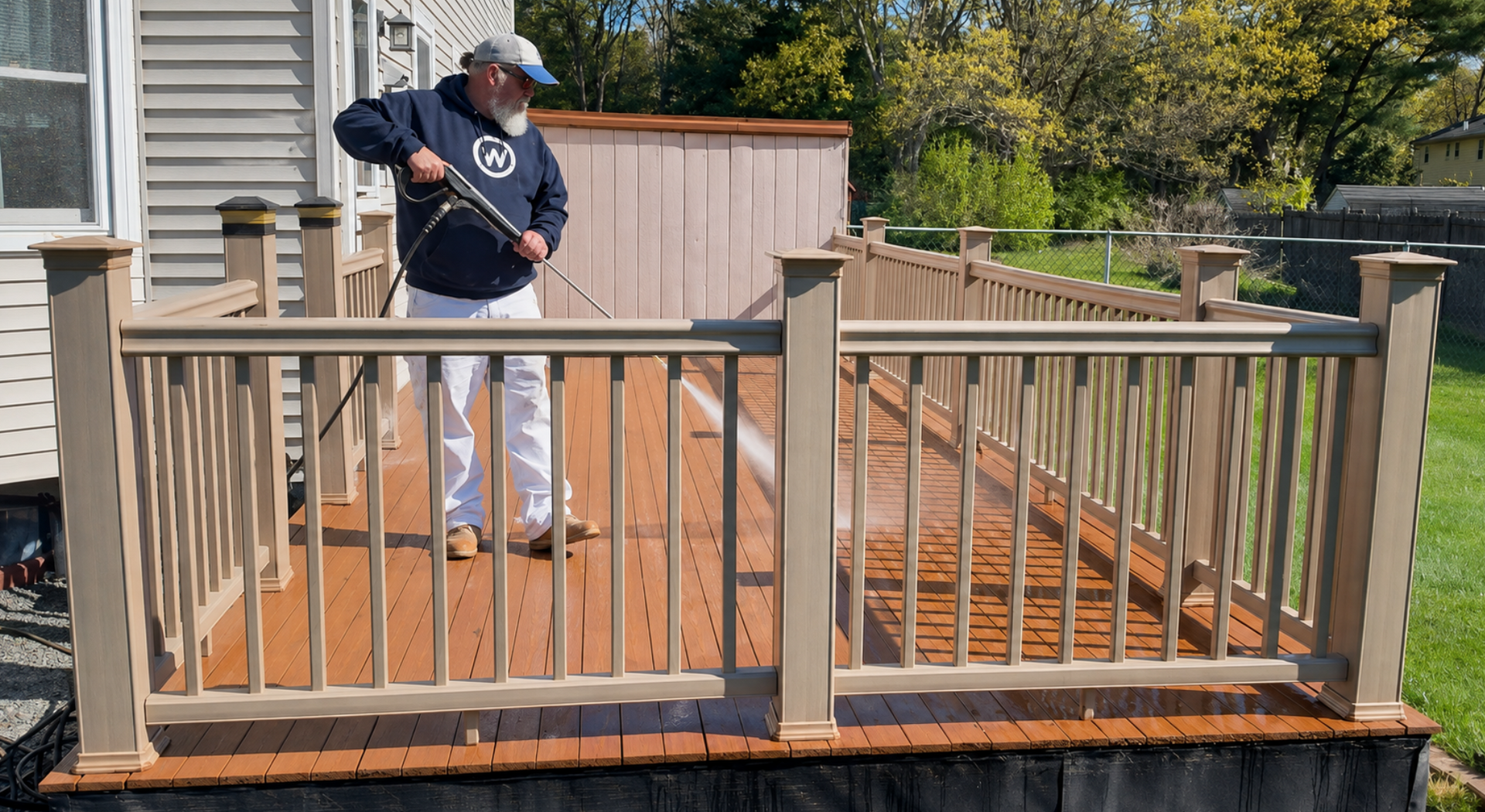
Proper Preparation Makes the Biggest Difference
Even the best paint or stain will not perform properly on a poorly prepared surface.
A professional deck refinishing process may include:
- Inspecting the deck for damage
- Completing necessary carpentry repairs
- Cleaning away dirt, mildew, and loose material
- Scraping failing paint or stain
- Sanding rough or peeling areas
- Allowing the wood to dry properly
- Applying the appropriate finish under suitable weather conditions
Skipping these steps can lead to uneven color, poor adhesion, premature peeling, and a shorter-lasting finish.
Need Help Painting or Staining Your Deck?
Choosing between deck paint and stain does not have to be confusing.
PTG Painting can inspect your deck, evaluate the existing finish, and recommend an option based on the wood’s condition and the appearance you want. Our team provides deck painting and staining services for homeowners throughout the South Shore, including Bridgewater, Brockton, Hingham, Quincy, and surrounding Massachusetts communities.
Whether your deck needs a simple refresh, a new color, or repairs before refinishing, we’ll help you create an outdoor space that looks clean, inviting, and ready to enjoy.
Contact PTG Painting today to request a free estimate for your deck painting or staining project.