How Long Does Exterior House Paint Last in Massachusetts?
A quality exterior paint job does more than improve curb appeal. It creates a protective barrier against moisture, sunlight, wind, and the changing New England seasons. But that protection does not last forever.
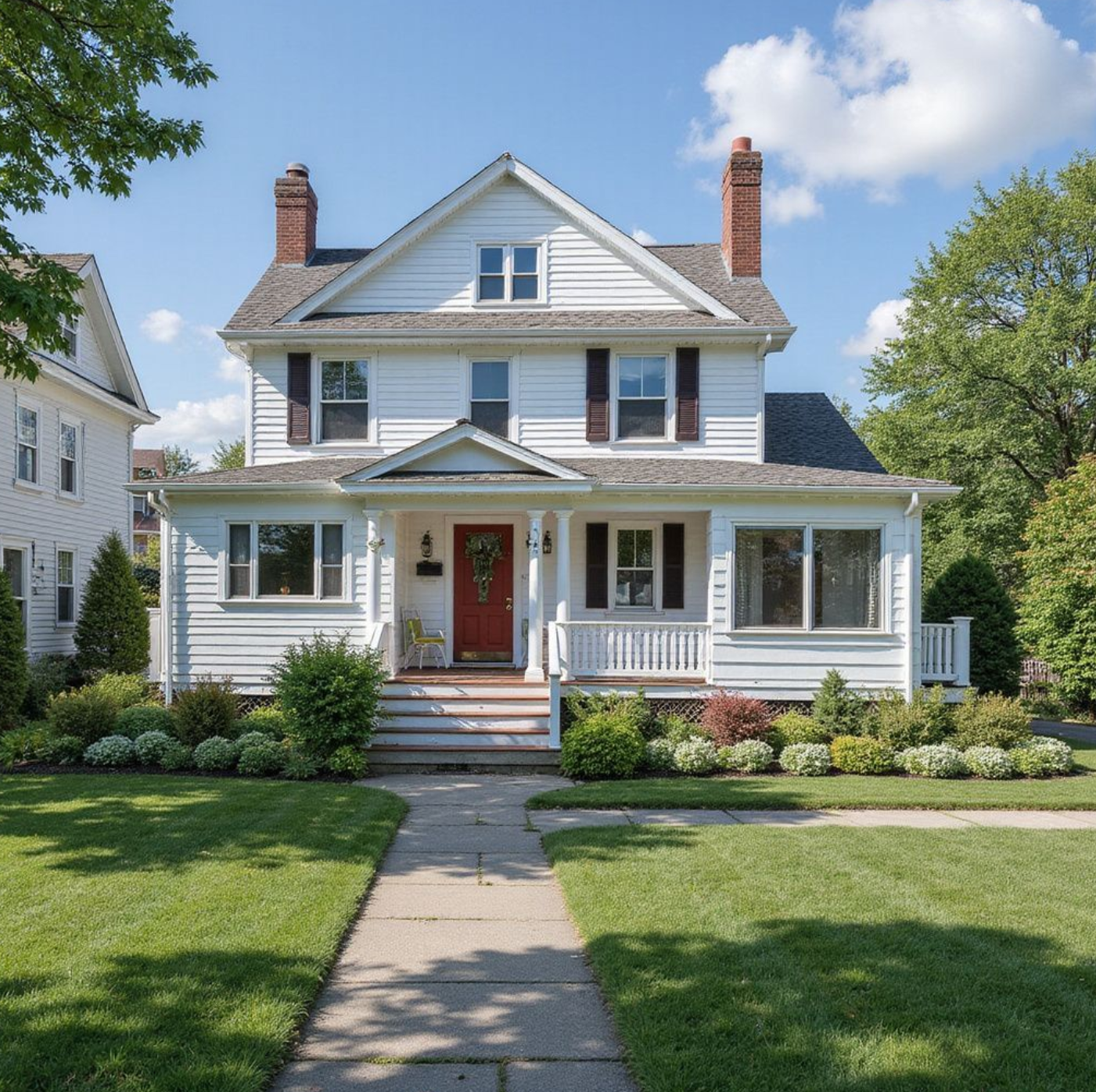
In Massachusetts, exterior house paint typically lasts about 5–10 years. Some homes may need repainting sooner, especially if they have wood siding, strong coastal exposure, moisture problems, or an older paint job with poor surface preparation. A properly prepared home finished with high-quality exterior paint may stay protected and attractive toward the longer end of that range.
The best time to repaint is not based on age alone. Your siding material, the condition of the existing coating, sun exposure, moisture, and the quality of the previous work all affect how long the finish will last.
Why Massachusetts Weather Is Hard on Exterior Paint
Exterior paint in Massachusetts must withstand hot summers, cold winters, rain, snow, humidity, and repeated temperature changes. Homes on the South Shore may also experience coastal moisture and salt air.
These conditions place continuous stress on an exterior coating:
- Moisture can enter through failed caulking, damaged siding, leaking gutters, or small cracks in the paint film
- Freezing and thawing can worsen existing cracks and expose more of the surface beneath the paint.
- Strong sunlight can fade colors and gradually break down the coating, particularly on south- and west-facing walls.
- Humidity and shade can encourage mildew or algae growth where surfaces stay damp.
- Wind and salt exposure may cause faster wear on coastal homes and exposed elevations.
Because each side of a home receives different amounts of sun, wind, and moisture, one elevation may show wear before the rest of the house.
Typical Exterior Paint Lifespan by Surface
The following ranges are useful planning estimates, not guarantees. The actual lifespan depends on the condition of the surface, the coating system, preparation, application, and exposure.
| Exterior surface | Typical repainting range |
|---|---|
| Wood siding and trim | About 5–7 years |
| Aluminum siding | About 5–10 years |
| Vinyl siding | About 7–10 years when properly prepared and painted |
| Stucco or masonry | About 7–10 years |
| Painted brick | Often 8–15 years, depending on moisture and coating condition |
Wood usually needs the closest attention because it expands and contracts as moisture and temperature change. Trim, fascia boards, window sills, and other horizontal or exposed surfaces may deteriorate sooner than the main siding.
What Determines How Long an Exterior Paint Job Lasts?
1. Surface preparation
Preparation is one of the biggest factors in paint performance. Applying premium paint over loose, dirty, glossy, damp, or failing surfaces will not produce a durable result.
A professional preparation process may include:
- Inspecting the siding and trim
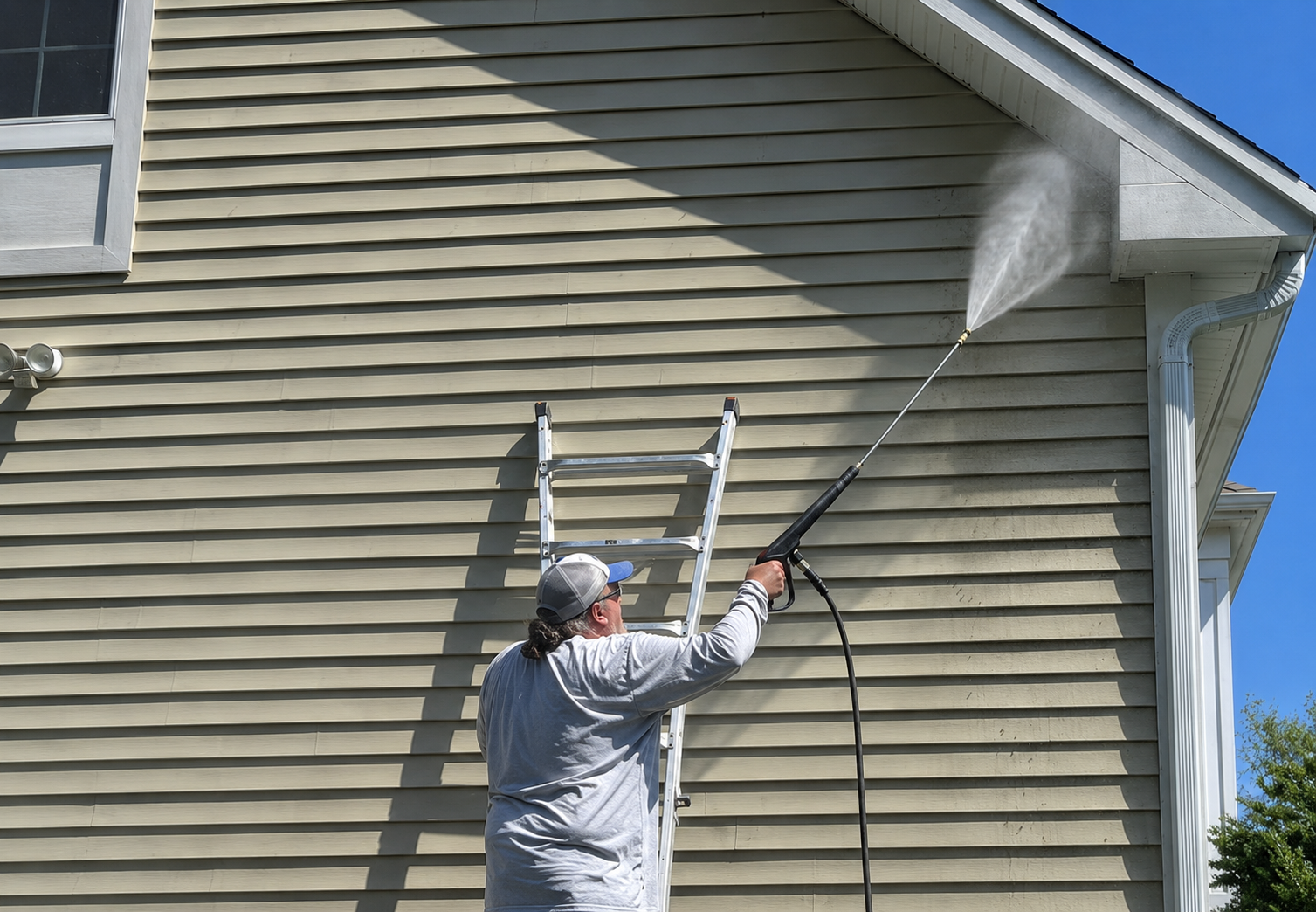
- Washing away dirt, mildew, and buildup
- Scraping loose or peeling paint
- Sanding rough edges
- Repairing damaged or deteriorated areas
- Replacing failed caulking
- Priming bare wood, stains, and other problem areas
The goal is to create a clean, dry, stable surface to which the new coating can properly bond.
2. Paint and primer quality
Higher-quality exterior coatings are designed to resist fading, cracking, peeling, and moisture. The right primer also matters, particularly on bare wood, repaired areas, stains, or surfaces with adhesion concerns.
Product selection should match the siding material and the condition of the home. A coating that performs well on wood may not be the right choice for vinyl, metal, stucco, or masonry.
3. Application conditions
Exterior paint needs suitable temperature, surface, and weather conditions to cure correctly. Painting a damp surface or working too close to rain, heavy dew, or unsuitable temperatures can weaken adhesion and shorten the life of the finish.
Professional painters monitor the forecast and follow the coating manufacturer’s application requirements rather than relying on the air temperature alone.
4. Sun and weather exposure
South- and west-facing walls often receive the strongest sunlight and may fade or weather faster. Shaded walls can stay damp longer and become more vulnerable to mildew. Homes close to the coast or in open, windy areas may also need more frequent maintenance.
5. Moisture control and home maintenance
Paint cannot permanently solve an active moisture problem. Overflowing gutters, roof leaks, failed caulking, poor drainage, and damaged siding can allow water behind the coating and cause premature peeling.
Keeping gutters clear, repairing leaks, trimming vegetation away from the house, and addressing failed caulking can help protect the finish between repaints.
7 Signs Your Massachusetts Home May Need Repainting
You do not have to wait for paint to fail across the entire house. Schedule an exterior assessment if you notice any of these warning signs:
- Peeling or flaking paint – The coating is losing adhesion and may no longer protect the surface below.
- Cracking or splitting – Small cracks can grow and allow moisture into wood or other materials.
- Blistering or bubbling – This may indicate trapped moisture, excessive heat, or an adhesion problem.
- Chalking – A powdery residue on the surface can be a sign that the coating is breaking down.
- Noticeable fading – Fading is especially common on elevations exposed to strong afternoon sun.
- Open gaps or failed caulking – Cracked caulk around windows, doors, and joints can allow water intrusion.
- Bare or exposed wood – Once wood loses its protective coating, it can absorb moisture and begin to deteriorate.
Early maintenance is usually simpler than waiting until large sections are peeling or wood repairs are required.
Should You Repaint the Whole House or Touch Up Certain Areas?
Touch-ups can make sense when the existing paint is still sound and the damage is limited to a small area. For example, one trim board or a minor repaired section may only need localized work.
A full repaint is usually the better option when:
- Peeling or fading appears on several sides of the home
- The coating is near the end of its expected lifespan
- There are widespread caulking or adhesion failures
- The current color is difficult to match
- The homeowner wants a major color change
- Multiple repairs would leave an uneven or patchy appearance
A professional inspection can help determine whether targeted maintenance will be enough or whether a complete exterior repaint will provide better long-term value. If you are also planning your budget, read our guide to exterior house painting costs in South Shore, MA.
Can You Make Exterior House Paint Last Longer?
Yes. A few decisions can make a meaningful difference:
- Address leaks and moisture problems before painting.
- Repair damaged wood or siding instead of coating over it.
- Invest in thorough preparation and the correct primer.
- Use a high-quality exterior coating suited to the surface.
- Apply the recommended number of coats at the proper coverage rate.
- Paint only under suitable weather and surface conditions.
- Inspect the exterior each spring and after severe weather.
- Clean dirt and organic growth before they become established.
- Repair failed caulking and small defects before water gets behind the paint.
The longest-lasting paint job is a complete system: sound surfaces, careful preparation, compatible products, proper application, and regular maintenance.
When Is the Best Time to Paint a House Exterior in Massachusetts?
Exterior painting is commonly completed from spring through fall, but the calendar alone does not determine whether conditions are suitable. Temperature, surface moisture, rain, wind, overnight lows, and the specific product requirements all matter.
A reliable painting contractor will schedule the work around safe application conditions and adjust the plan when Massachusetts weather changes. That patience helps the coating bond and cure as intended.
A Note About Older Massachusetts Homes
Many homes in Massachusetts were built before 1978 and may contain lead-based paint. Disturbing older coatings through scraping or sanding can create hazardous dust and debris.
If your home was built before 1978, ask how the contractor will evaluate the existing paint and follow lead-safe requirements. Exterior preparation should protect the people on the property as well as the surrounding soil and neighboring areas.
Frequently Asked Questions
How often should you paint a house exterior in Massachusetts?
Most homeowners should plan for an exterior repaint about every 5–10 years. Wood siding, coastal exposure, moisture issues, heavy sunlight, or poor previous preparation can shorten that timeline.
Can exterior paint last 15 years?
It is possible for some well-prepared, protected surfaces and high-quality coating systems to perform for 10 years or longer. However, exposed wood and trim may require maintenance sooner. Inspecting the house regularly is more reliable than waiting for a fixed anniversary.
What color exterior paint lasts the longest?
Lighter and more UV-stable colors often show fading less dramatically than very dark or highly saturated colors. Color is only one factor, though. Surface preparation, product quality, moisture control, and exposure usually have a greater effect on overall paint life.
Is peeling paint only a cosmetic problem?
No. Peeling paint can leave wood and other surfaces vulnerable to moisture. Delaying repairs may lead to more extensive preparation or carpentry work later.
Can you paint over peeling exterior paint?
Loose and failing paint should be removed, and the cause of the failure should be addressed first. Painting directly over peeling areas may temporarily cover the problem, but the new coating is likely to fail with the unstable layer beneath it.
How do I know whether my siding needs painting or replacement?
Fading, chalking, or localized peeling may be solved with preparation and repainting. Soft or rotted wood, loose siding, deep cracks, or widespread moisture damage may require repair or replacement before painting. An on-site assessment can identify the appropriate scope.
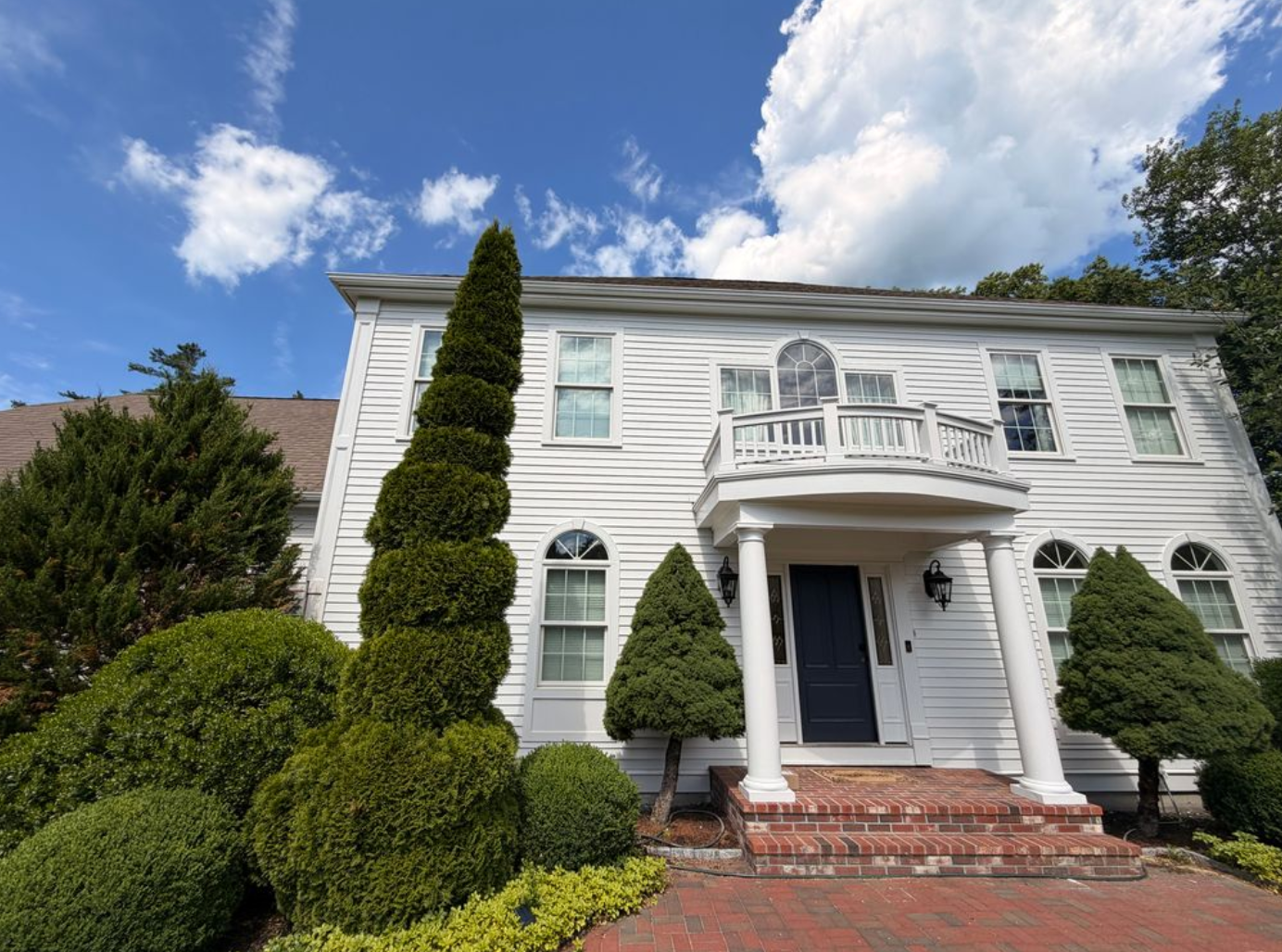
Protect Your Home Before Small Paint Problems Become Bigger Repairs
If your home’s exterior is fading, cracking, peeling, or simply approaching the 5–10-year mark, now is a good time to have it evaluated. Catching worn areas early can help protect the siding, reduce avoidable repairs, and keep your home looking well maintained.
PTG Painting provides professional exterior house painting for homeowners across the
South Shore of Massachusetts.
Our team evaluates the existing coating, identifies preparation and repair needs, and recommends a painting plan designed for your home and its exposure.
Contact PTG Painting today to
request a free exterior painting estimate.