Best Time to Paint a House in Massachusetts | PTG
A seasonal guide for South Shore homeowners planning an exterior or interior painting project
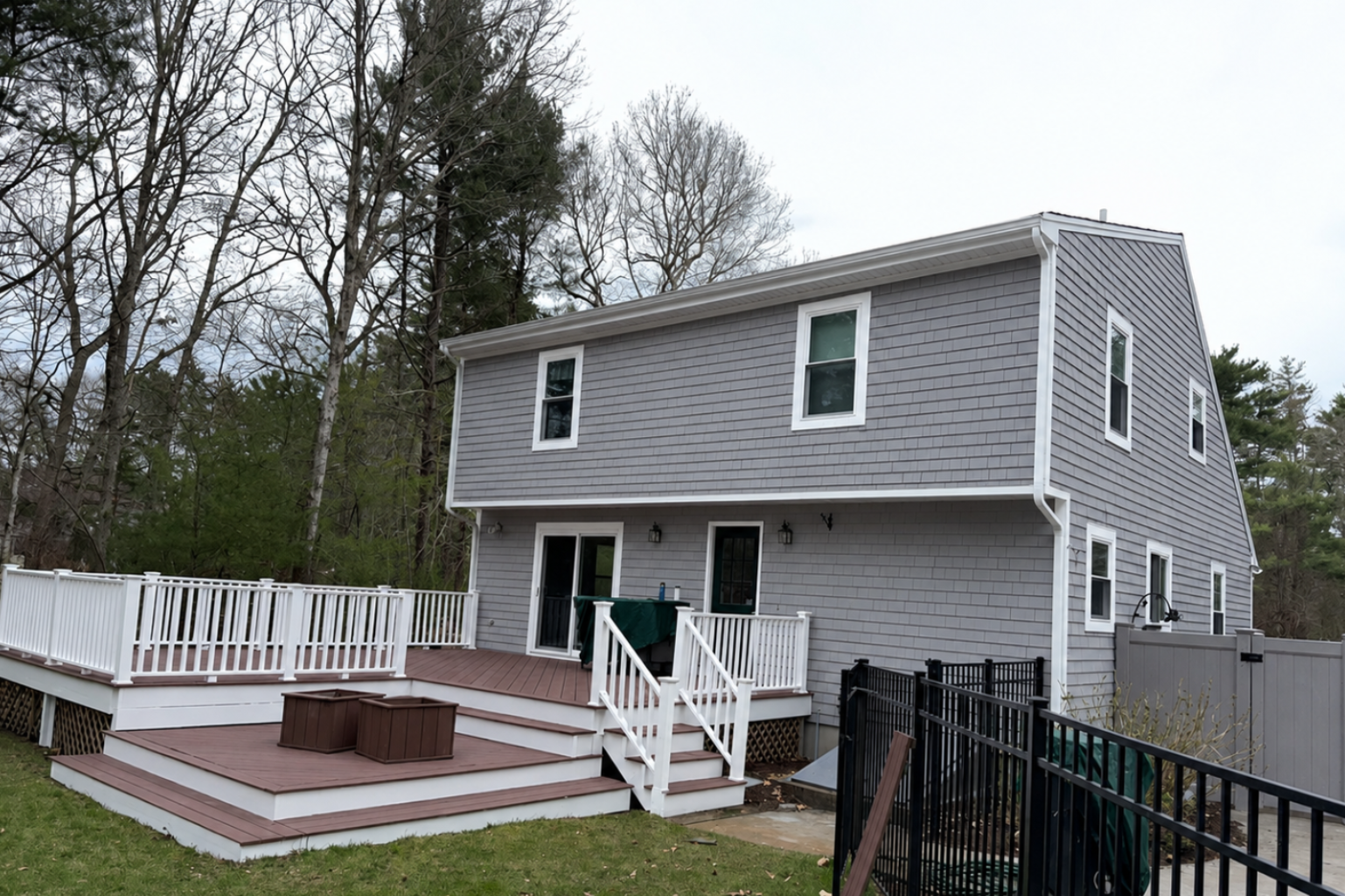
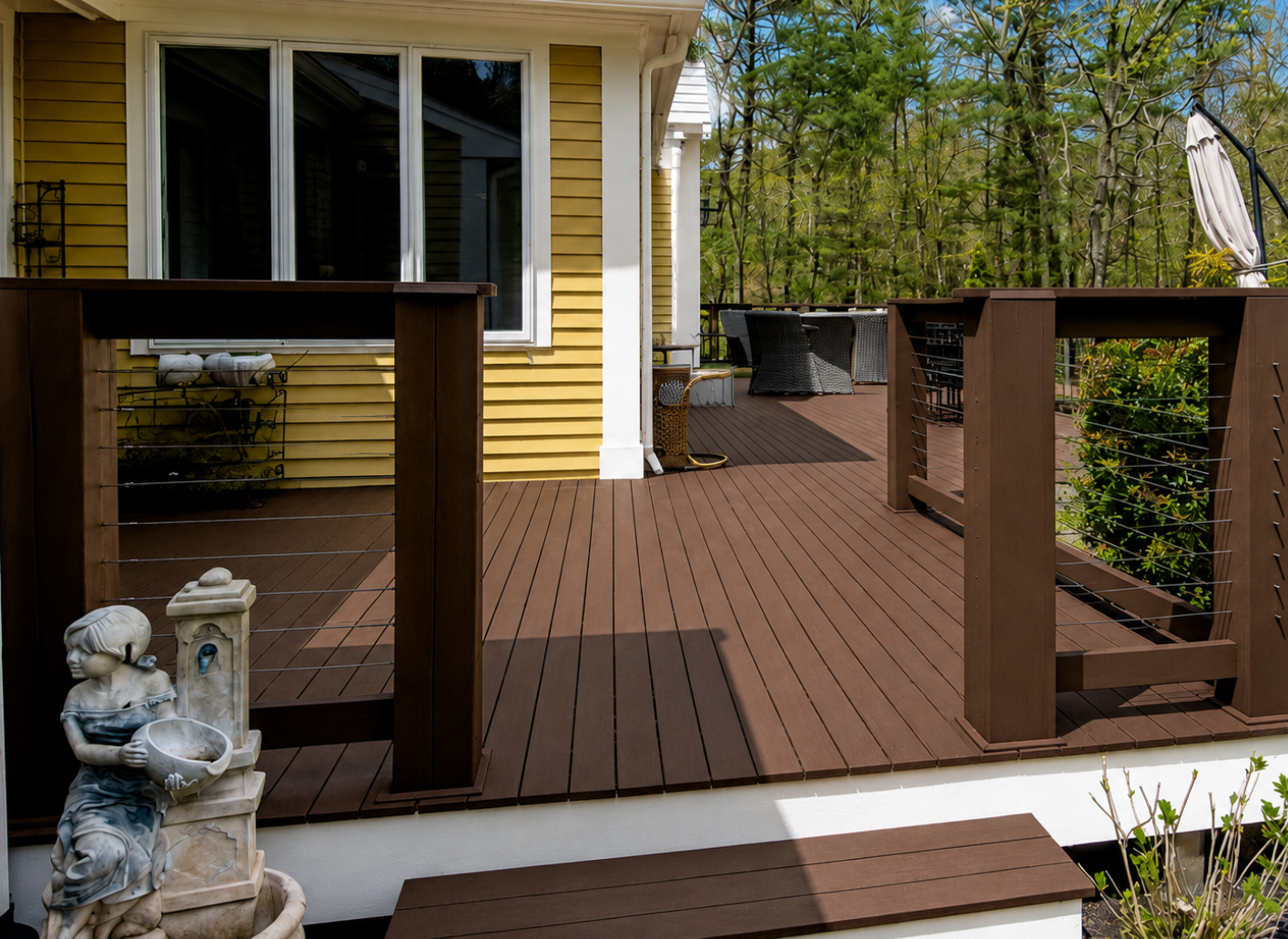
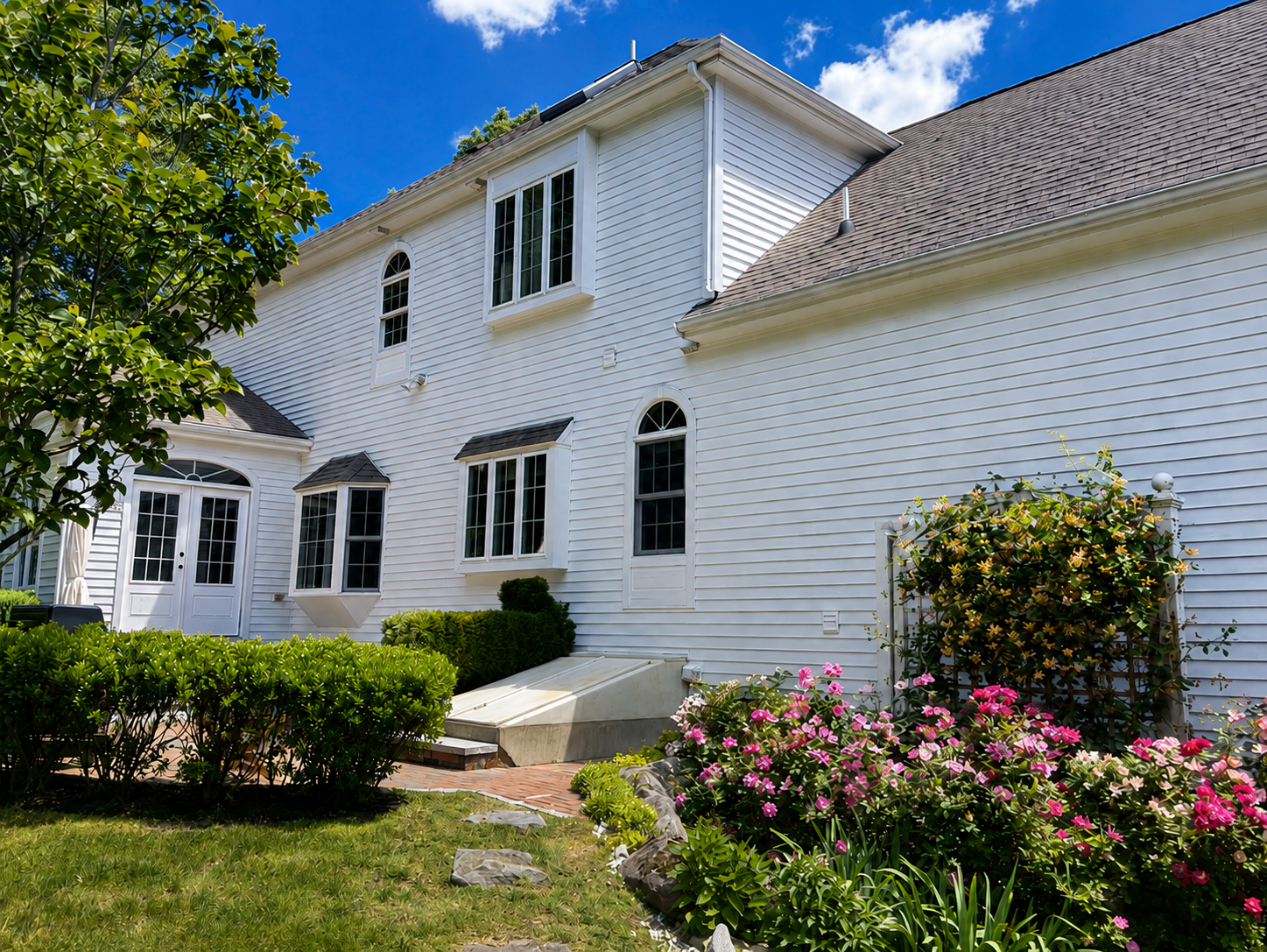
Massachusetts weather can change quickly. A warm, sunny afternoon may be followed by rain, heavy humidity, or a sharp drop in temperature overnight. That is why choosing the right time to paint your house matters, especially for exterior projects.
For most Massachusetts homes,
late spring through early fall is the main exterior painting season. The most dependable conditions often arrive from
May through October, with late spring and early fall offering a particularly good balance of moderate temperatures and lower heat. However, the calendar alone does not determine whether it is a good day to paint. Temperature, humidity, rain, wind, surface moisture, and the specific coating all need to be considered.
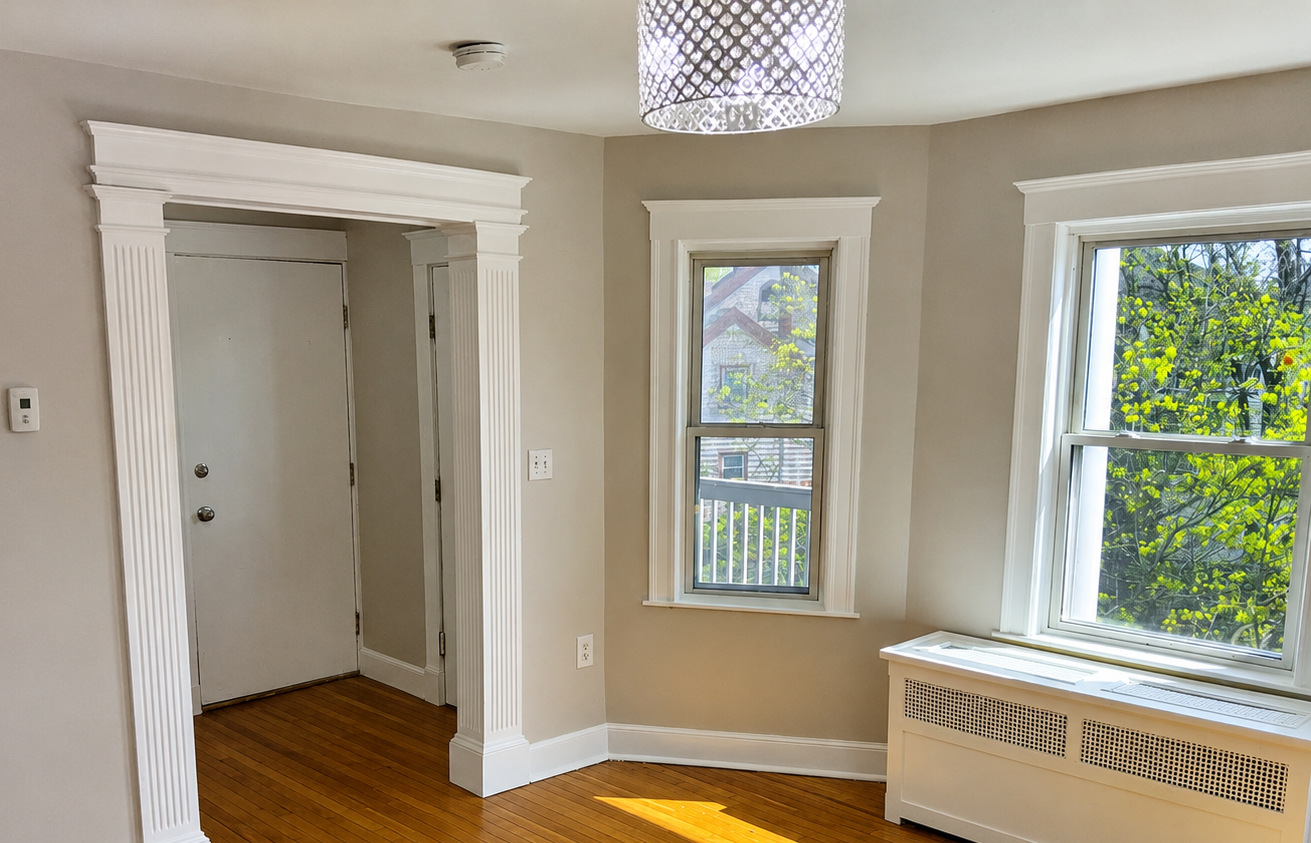
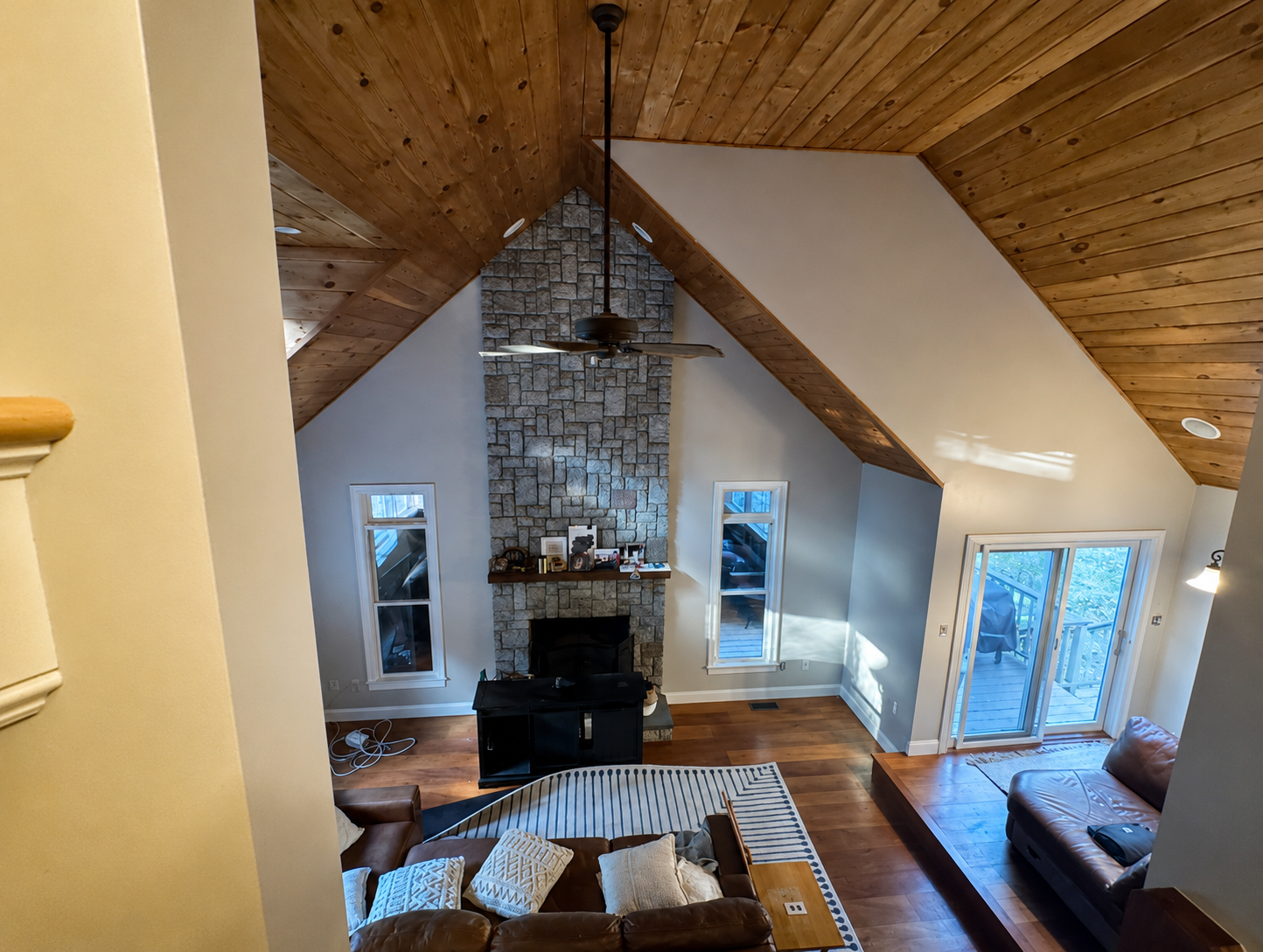
Interior painting is much more flexible and can be completed throughout the year. In fact, winter can be an excellent time to refresh walls, ceilings, trim, and cabinets while exterior work is limited.
This guide explains the best time to paint a house in Massachusetts, how each season affects a project, and what South Shore homeowners should consider before scheduling.
What Is the Best Month to Paint a House in Massachusetts?
There is no single perfect month for every project, but
May, June, September, and early October are often among the most favorable months for exterior house painting in Massachusetts.
These periods commonly provide:
- Moderate daytime temperatures
- Fewer stretches of extreme heat
- More workable surface temperatures
- Enough daylight for preparation and application
- Better opportunities for paint to dry and cure properly
high heat, direct sunlight, humidity, and summer storms. April and late October may offer workable days as well, depending on overnight temperatures and the product being used.
The best approach is to treat these months as a general planning window and evaluate the actual forecast before and during the project.
Why Weather Matters for Exterior House Painting
Exterior paint needs the right conditions to form a durable, protective film. If the air or surface is too cold, too hot, or too damp, paint may not adhere or cure as intended.
Poor application conditions can contribute to:
- Slow or uneven drying
- Blistering or bubbling
- Peeling and early paint failure
- Visible brush or roller marks
- Uneven sheen or color
- Moisture becoming trapped beneath the coating
Modern exterior coatings can often be applied across a broader temperature range than older products. Some premium paints are rated for application at temperatures as low as 35°F. That does not mean every paint should be used at that temperature, however. The air, siding, trim, and paint itself must remain within the manufacturer’s specified range during application and the important early drying period.
Benjamin Moore’s exterior temperature guidance recommends checking the product requirements and planning for low humidity when possible.
Sherwin-Williams also advises considering the temperature, surface moisture, dew point, and conditions after application—not only the weather at the moment painting begins.
Is Spring a Good Time to Paint Your House?
Yes. Late spring is one of the best times for exterior painting in Massachusetts. By May, daytime conditions are generally more favorable and the risk of freezing nights has usually decreased across the South Shore.
Spring is also a practical time to inspect a home after winter. Snow, ice, wind, and moisture may reveal peeling paint, cracked caulk, exposed wood, or damaged trim that should be addressed before another season of rain and sun.
The main challenge is moisture. Frequent rain, morning dew, and damp wood can delay preparation or painting. A surface may look dry while still holding too much moisture for proper adhesion. Professional painters monitor both the forecast and the condition of the surface instead of painting simply because the sky is clear.
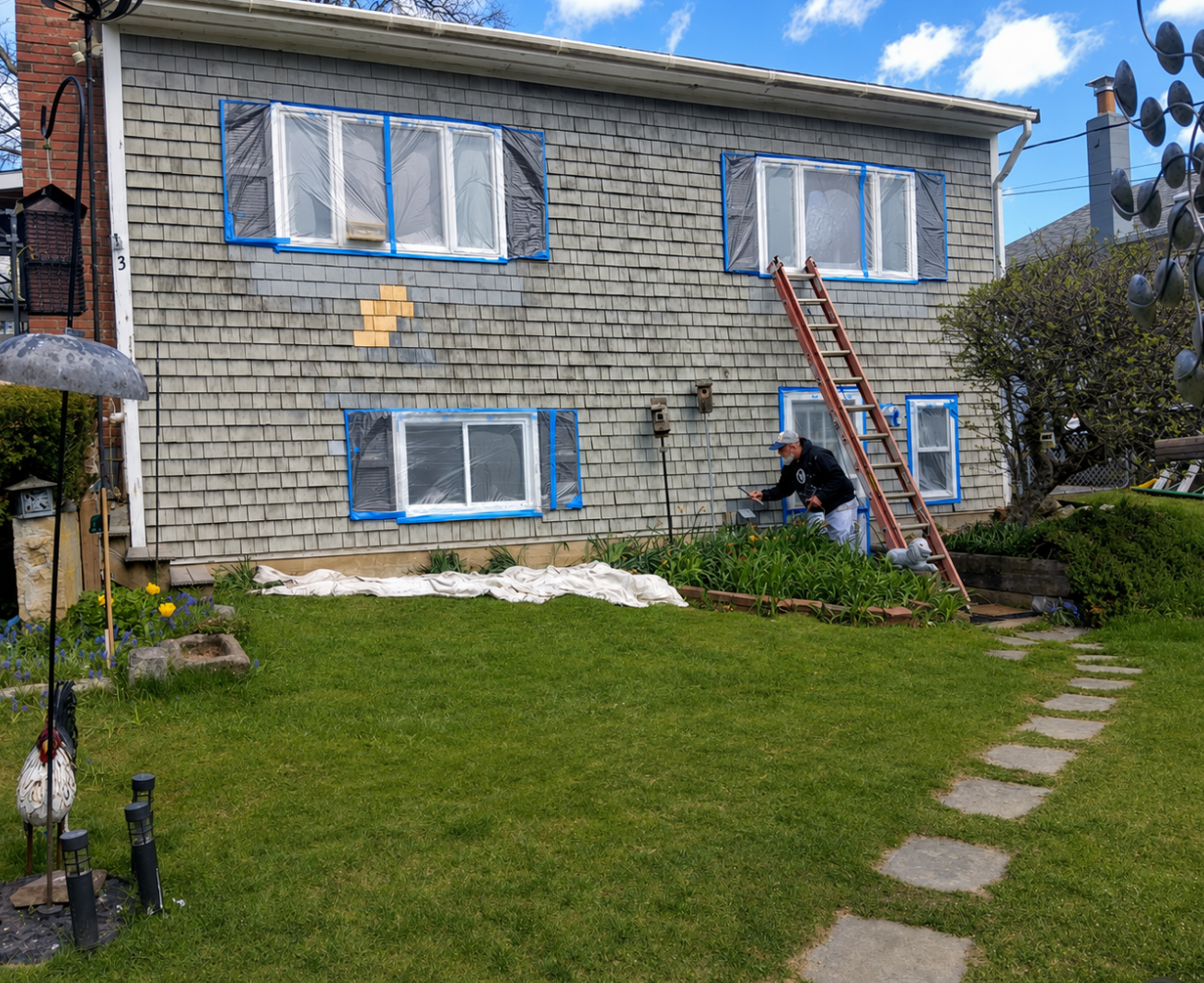
Can You Paint a House During the Summer?
Yes. Summer is a popular and productive exterior painting season in Massachusetts, but the hottest day is not necessarily the best painting day.
When siding is in direct sun, its surface temperature can be considerably warmer than the surrounding air. Paint applied to an overheated surface may dry too quickly, making it harder to maintain a smooth, even finish. High humidity can create the opposite problem by slowing drying. Sudden thunderstorms also need to be considered.
During hot weather, experienced painters may:
- Start earlier in the day
- Work around the house to follow the shade
- Avoid painting surfaces that are hot to the touch
- Adjust application times based on humidity and the forecast
- Allow the proper recoat time between coats
With careful planning, July and August can still be excellent months to complete an exterior project.
Is Fall a Good Time for Exterior Painting?
Early fall is another excellent time to paint a house in Massachusetts.
September and early October often bring comfortable daytime temperatures and less intense sunlight than midsummer.
Fall projects require close attention to shorter days, cool nights, and morning dew. A comfortable afternoon temperature does not guarantee that paint will have enough time to dry before moisture settles or temperatures fall. Contractors also need to consider the weather during the first day or two after application.
If you are hoping to paint in the fall, schedule your estimate early. Exterior painting calendars can fill quickly as homeowners try to complete maintenance before winter.
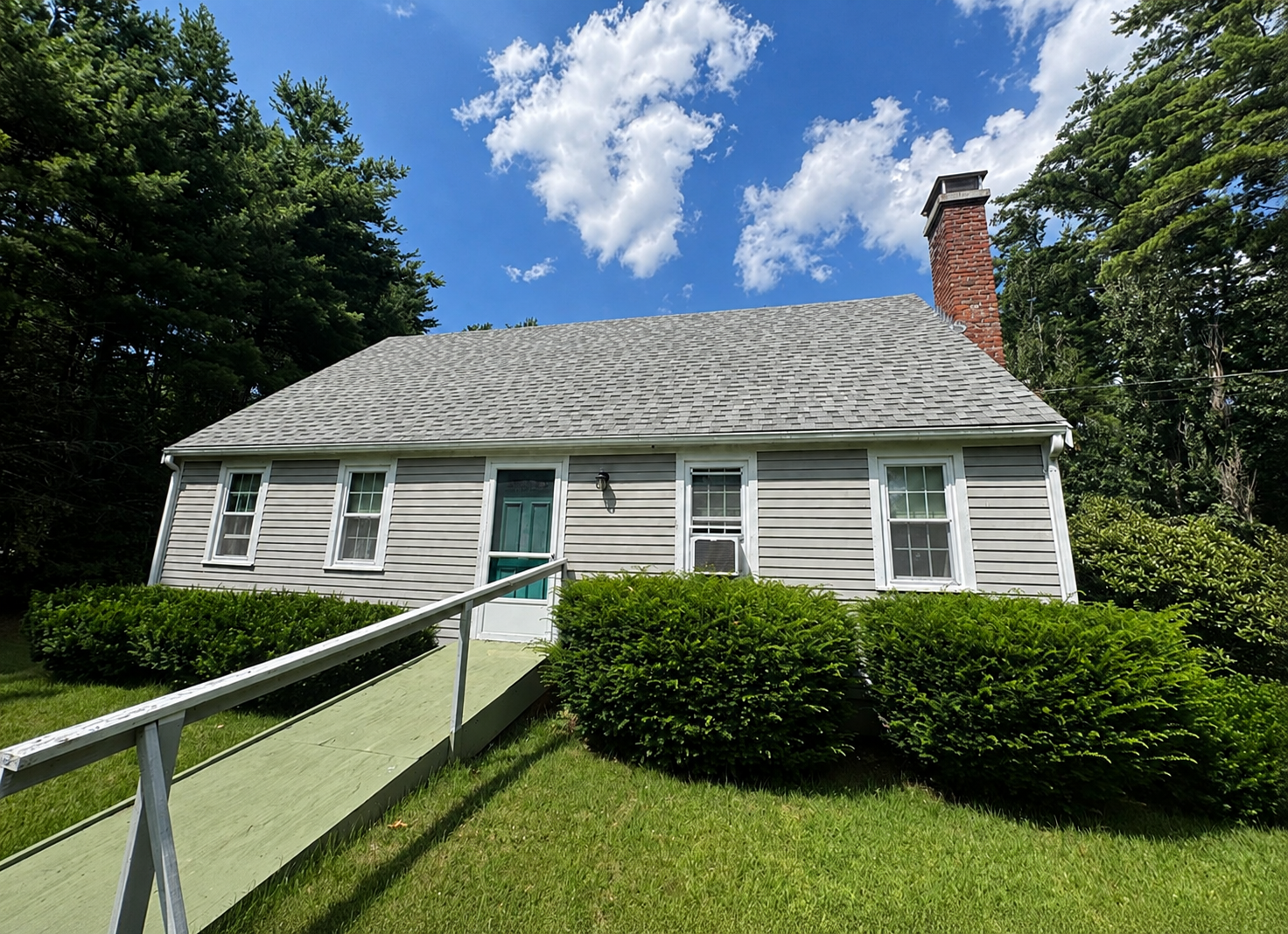
Can You Paint a House Exterior in Winter?
Exterior painting is usually limited during a Massachusetts winter. Cold air, frozen or damp surfaces, snow, and rapidly changing conditions reduce the number of suitable painting days. Although certain coatings allow low-temperature application, the product specifications and the weather after application still have to align.
Small, protected exterior touch-ups may sometimes be possible when conditions permit, but a full exterior repaint is generally better scheduled during a more stable weather window.
Winter does not have to put all painting plans on hold. It is a great season to complete interior work while spending more time indoors.
What Is the Best Time of Year for Interior Painting?
Interior painting can be completed year-round in Massachusetts. Because indoor temperature and humidity can be controlled, the season usually has less effect on the final result.
Winter can be especially convenient for:
- Living rooms and bedrooms
- Kitchens and bathrooms
- Ceilings and trim
- Doors and baseboards
- Cabinet painting
- Apartment or rental turnovers
Heating systems keep indoor temperatures more consistent, and professional equipment can support ventilation and air movement when windows cannot remain open. Spring and summer are also good choices, particularly if you want the project completed before a move, gathering, or home sale.
If an exterior project needs to wait for better weather, consider using the colder months to select colors, repair interior surfaces, or complete an interior painting project.
The Forecast Matters More Than the Date
Even during the best painting month, not every day is suitable. Before exterior work begins, a professional painter should evaluate:
Air and Surface Temperature
The temperature of the siding or trim can differ from the forecasted air temperature. Both must fall within the coating manufacturer’s application requirements.
Rain and Surface Moisture
Painting should not begin on a wet surface or when rain is expected before the coating develops adequate resistance. After washing, bare wood and other porous materials may require additional drying time.
Humidity and Dew Point
High humidity can slow drying. If the surface temperature approaches the dew point, condensation can form and interfere with the finish.
Direct Sunlight
Strong sun can heat siding and cause paint to dry too quickly. Working in the shade helps painters maintain a more consistent application.
Wind
Wind can carry dust and debris onto wet paint, accelerate drying, and make spray application more difficult to control.
This is why a reliable contractor may adjust the daily schedule or briefly pause work when conditions change. Protecting the quality of the finish is more important than forcing the project forward in unsuitable weather.
Preparation Is Just as Important as the Season
Good weather cannot make up for inadequate surface preparation. Before painting, the exterior should be evaluated for dirt, mildew, loose paint, failed caulk, exposed wood, and damaged trim or siding.
Depending on the home, preparation may include:
- Washing the exterior to remove dirt and buildup
- Scraping loose or peeling paint
- Sanding rough edges
- Repairing damaged wood or trim
- Caulking appropriate gaps and joints
- Priming bare or repaired areas
- Applying the correct exterior coating at the recommended spread rate
If you are budgeting for a project, read our guide to
exterior house painting costs in South Shore, MA. It explains how a home’s condition, accessibility, preparation needs, and materials affect the estimate.
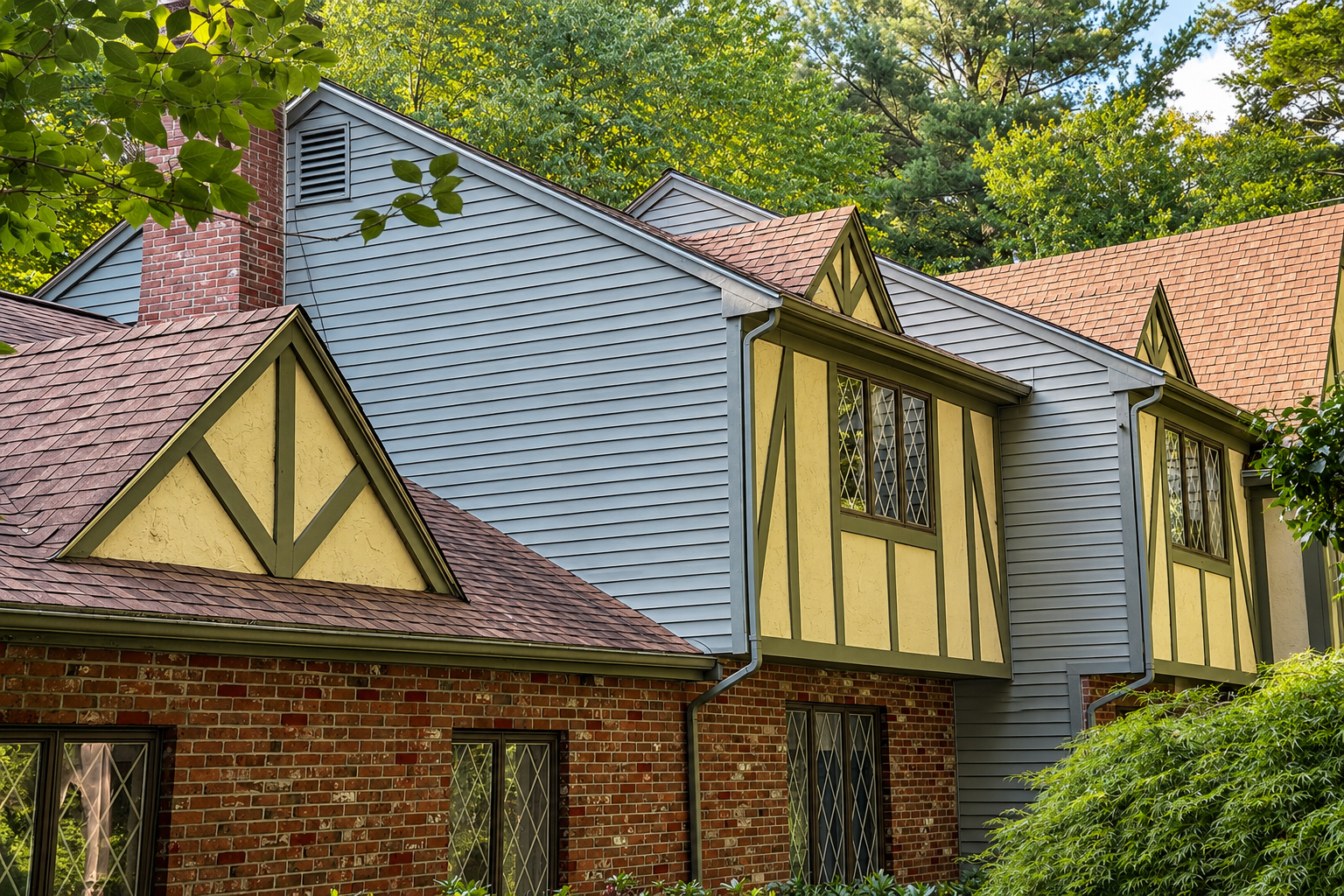
How Far in Advance Should You Schedule Exterior Painting?
It is wise to request an estimate before the busiest part of the season. Planning early gives you more flexibility with scheduling, color decisions, carpentry repairs, and any other preparation your home may need.
A typical planning timeline may include:
| Time of Year | First Name |
|---|---|
| Winter or early spring | Request an estimate and begin choosing colors |
| Spring | Inspect winter damage and complete necessary repairs |
| Late spring through early fall | Complete exterior preparation and painting when conditions allow |
| Late fall or winter | Plan the next season or shift attention to interior projects |
The exact schedule will depend on the size and condition of the home as well as the weather. If peeling paint or exposed wood is already visible, do not wait until the damage becomes more extensive before arranging an assessment.
Frequently Asked Questions
What temperature is too cold to paint outside in Massachusetts?
It depends on the exact primer or paint. Many traditional products require temperatures around 50°F or higher, while certain modern exterior coatings are approved for application down to 35°F. Always follow the product label and consider the air and surface temperatures during application and drying.
What temperature is too hot for exterior painting?
The product label provides the final limit, but surface temperature matters as much as air temperature. Direct sunlight can make siding too hot even when the reported air temperature seems acceptable. Painters often follow the shade and avoid overheated surfaces.
How long after rain can a house be painted?
There is no universal waiting period. Drying time depends on the siding material, temperature, humidity, sun exposure, and amount of rain. The surface must be adequately dry before primer or paint is applied.
Can exterior paint dry overnight when temperatures drop?
It can, provided the product is rated for the conditions and temperatures remain within its requirements. Cool temperatures, dew, and condensation can interfere with early curing, so the overnight forecast must be checked before painting.
Is spring or fall better for exterior painting?
Both can be excellent. Late spring generally offers longer daylight hours, while early fall often brings moderate daytime weather. The better choice is the period with a stable, dry forecast that meets the coating requirements and suits your project schedule.
Can interior painting be done during winter?
Yes. Interior painting can be completed throughout winter because indoor temperature, humidity, ventilation, and airflow can be managed. It is often one of the most practical home-improvement projects for the colder months.
Plan Your Massachusetts House Painting Project with PTG Painting
For most South Shore homes, the best exterior painting opportunities occur from late spring through early fall. The right day, however, is determined by more than the month. A lasting finish depends on a dry, properly prepared surface, suitable temperatures, careful product selection, and a forecast that supports drying and curing.
PTG Painting provides professional exterior painting services throughout South Shore, Massachusetts. Our team evaluates the condition of your home, completes the necessary preparation, uses quality materials, and plans application around the weather.
If you are considering an exterior refresh or an interior project at any time of year, contact PTG Painting to schedule a free estimate.
Call or text:
339-333-5026
Website:
www.ptgpainting.com