Thanksgiving Painting Ideas: A More Welcoming Home Without a Full Makeover
Before the Guests Arrive: Thanksgiving Paint Colors and Updates That Make the Biggest Difference
Hosting Thanksgiving has a way of bringing every scuffed wall and chipped door frame into focus. You’re planning the menu, making room for guests, and suddenly noticing that the dining room could use some attention.
The good news? You don’t need to repaint your entire home to make it feel fresh and welcoming. A few carefully chosen improvements can change how your main gathering spaces look—and give you something to enjoy long after the holiday.
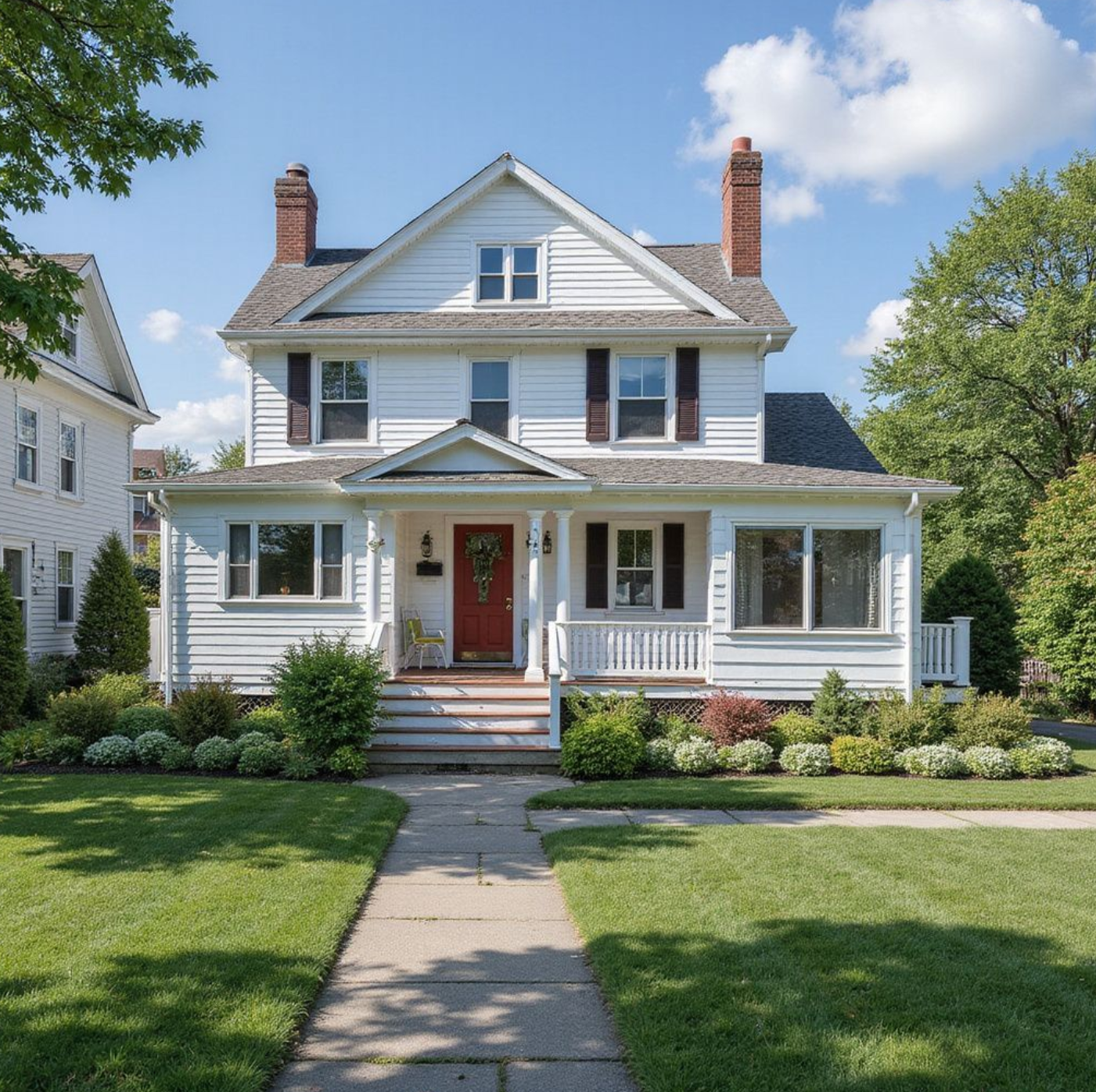
For homeowners in Stoughton and across the South Shore, the best approach is to prioritize the right rooms, choose colors that complement what you already own, and allow enough time for proper preparation. Here’s how to make your painting budget count.
Start With the Spaces Where People Gather
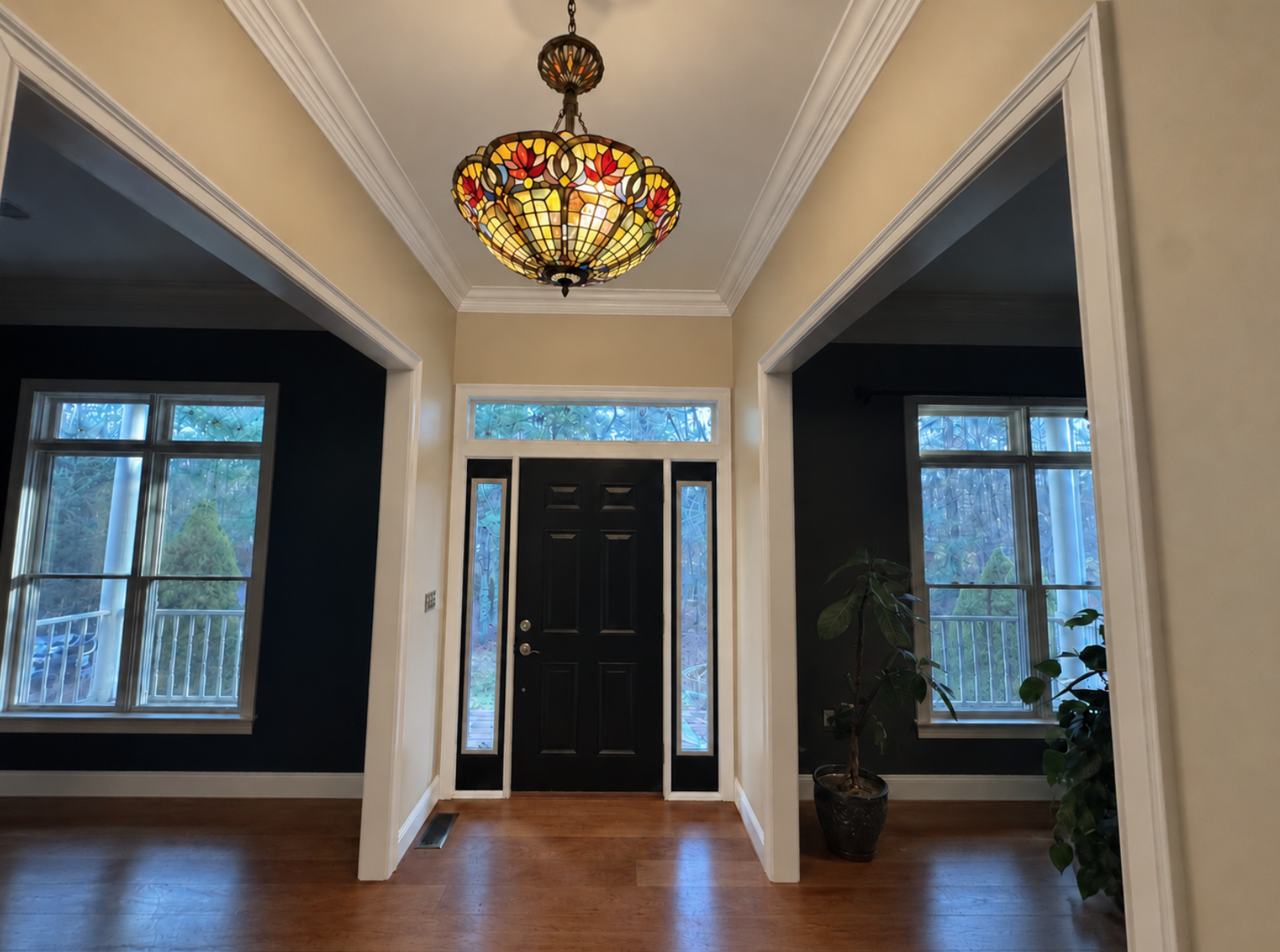
Before picking colors, walk the route your guests will take. Start at the front entrance, then look at the living room, dining room, and guest bathroom.
Which space feels most worn? Where do you notice fingerprints, chipped trim, or obvious wall repairs? Which room have you wanted to update even before you decided to host?
Start there.
If your dining room walls are faded and marked, repainting that room may make the biggest difference. If you like your wall colors but the doors and baseboards look tired, refreshing the woodwork may be the better investment.
A useful rule: address visible wear before adding decorative features. An accent wall can be beautiful, but it won’t hide damaged corners or chipped door frames.
In an open floor plan, consider the views between rooms, too. Your dining room color should feel connected to the kitchen and living room, even if each space has its own character.
Choose Warm Paint Colors You’ll Enjoy All Year
Thanksgiving decorating often includes orange, gold, and deep red, but those colors don’t have to go on your walls. A versatile paint palette lets you create a seasonal look with linens, greenery, and table decorations.
Here are four combinations worth considering.
Soft Sage, Cream, and Natural Wood
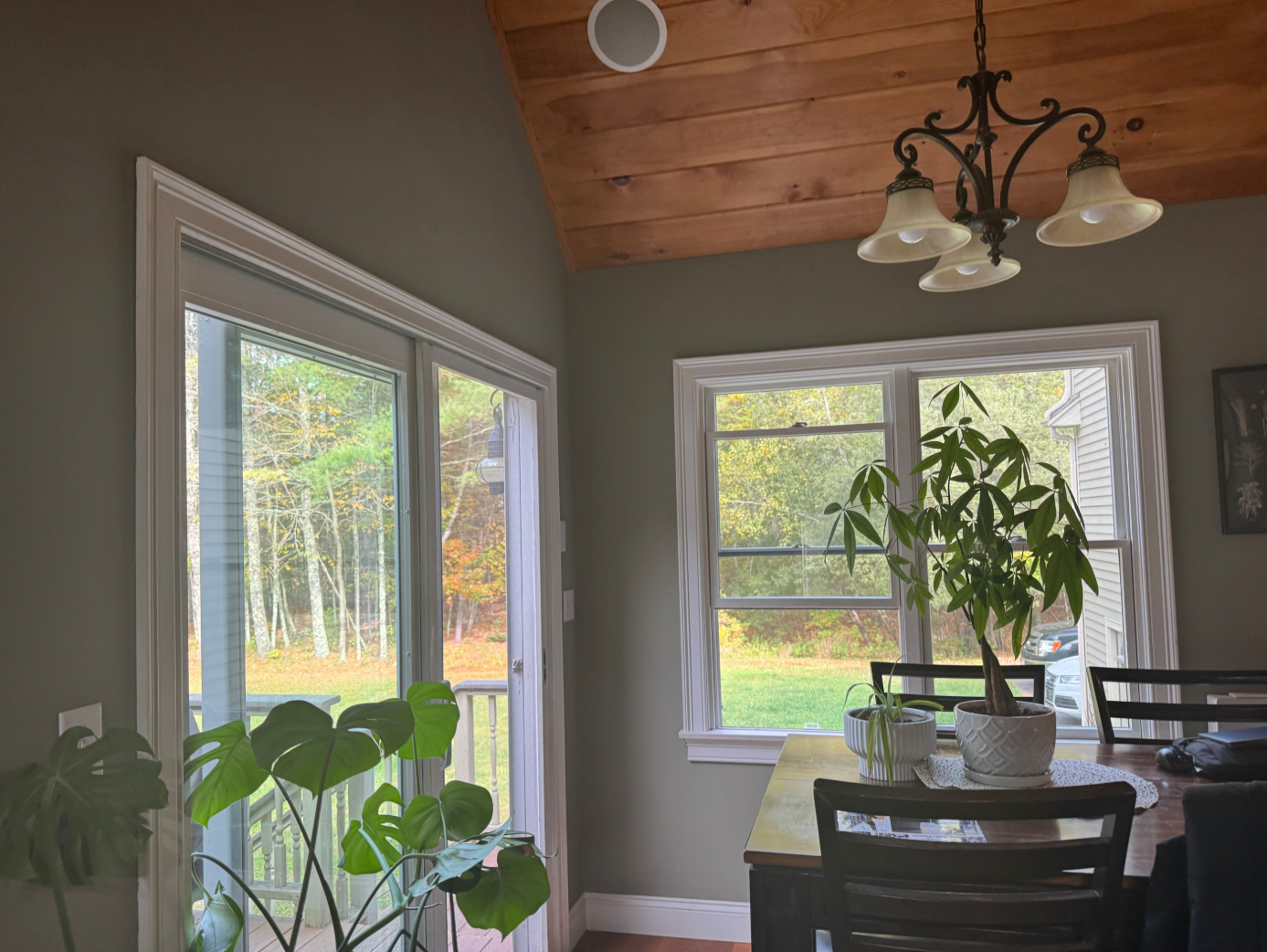
Soft sage can bring a gentle touch of color to a dining room without overwhelming it. Paired with cream fabrics and wood furniture, it creates a relaxed setting that works beyond the fall season.
For Thanksgiving, add terracotta napkins, a natural table runner, and a simple greenery centerpiece. After the holiday, changing those accessories gives the room a different feel without repainting.
Check sage samples carefully in evening light. Some shades look noticeably grayer when daylight fades.
Warm White, Rust, and Woven Textures
Warm white walls provide a flexible backdrop for seasonal decorating. They can work beautifully with oak furniture, woven baskets, and textured curtains.
Bring in fall color through rust-colored cushions, amber glass, or a centerpiece. The walls stay adaptable while your decorations provide the seasonal warmth.
When selecting a white, compare it with your existing trim, cabinets, and flooring. A white that looks soft on a paint chip may look yellow beside a cooler surface.
Mushroom, Cream, and Chocolate Brown
Mushroom and soft taupe offer more depth than white while keeping a room neutral. They’re worth exploring if you want a comfortable dining room that doesn’t depend on a bold wall color.
Pair them with cream textiles and darker wood accents. Small touches of copper or muted orange can finish the Thanksgiving setting.
Watch the undertones: taupe can lean pink, purple, green, or gray depending on the shade and lighting.
Deep Blue, Warm Neutrals, and Brass
Deep blue can give a dining room a richer, more intimate feel. It also creates contrast with white dishes, light curtains, and warm metallic details.
If you’re hesitant about painting every wall, consider a wall behind a buffet or the area below an existing chair rail. Choose a natural architectural stopping point so the color feels intentional.
Test a generous sample first, particularly in rooms with limited daylight.
Test Your Paint Color Where It Will Actually Live
One of the easiest ways to waste a painting budget is approving a color from a phone screen or a small chip alone.
Narrow your choices to two or three, then view larger samples beside your flooring, furniture, and trim. Movable sample boards are helpful because you can compare the same shade on different walls.
Look at the samples in the morning, afternoon, and after sunset with your regular lights on. If you’ll be serving Thanksgiving dinner in the evening, that evening view matters.
Also consider adjoining rooms. Stand in the hallway or kitchen and look toward the space you plan to paint. A color should work from those viewpoints as well as when you’re standing inside the room.
Know When Touch-Ups Are Enough
A room with a few marks doesn’t automatically need a complete repaint. Depending on the coating and condition, gentle cleaning may improve the appearance. Follow the paint’s cleaning guidance and test a hidden area first.
Touch-ups can also help, but they don’t always blend invisibly. The original finish may have changed over time, and differences in sheen or application can leave noticeable patches.
If you have matching paint, test a small spot and allow it to dry before deciding. When the repair remains visible, repainting the affected wall from corner to corner may provide a more consistent finish.
During an estimate, ask whether the work can be limited to one complete wall or whether the room needs a broader refresh. That conversation can help you spend where the improvement will actually show.
Give Doors and Trim the Attention They Deserve
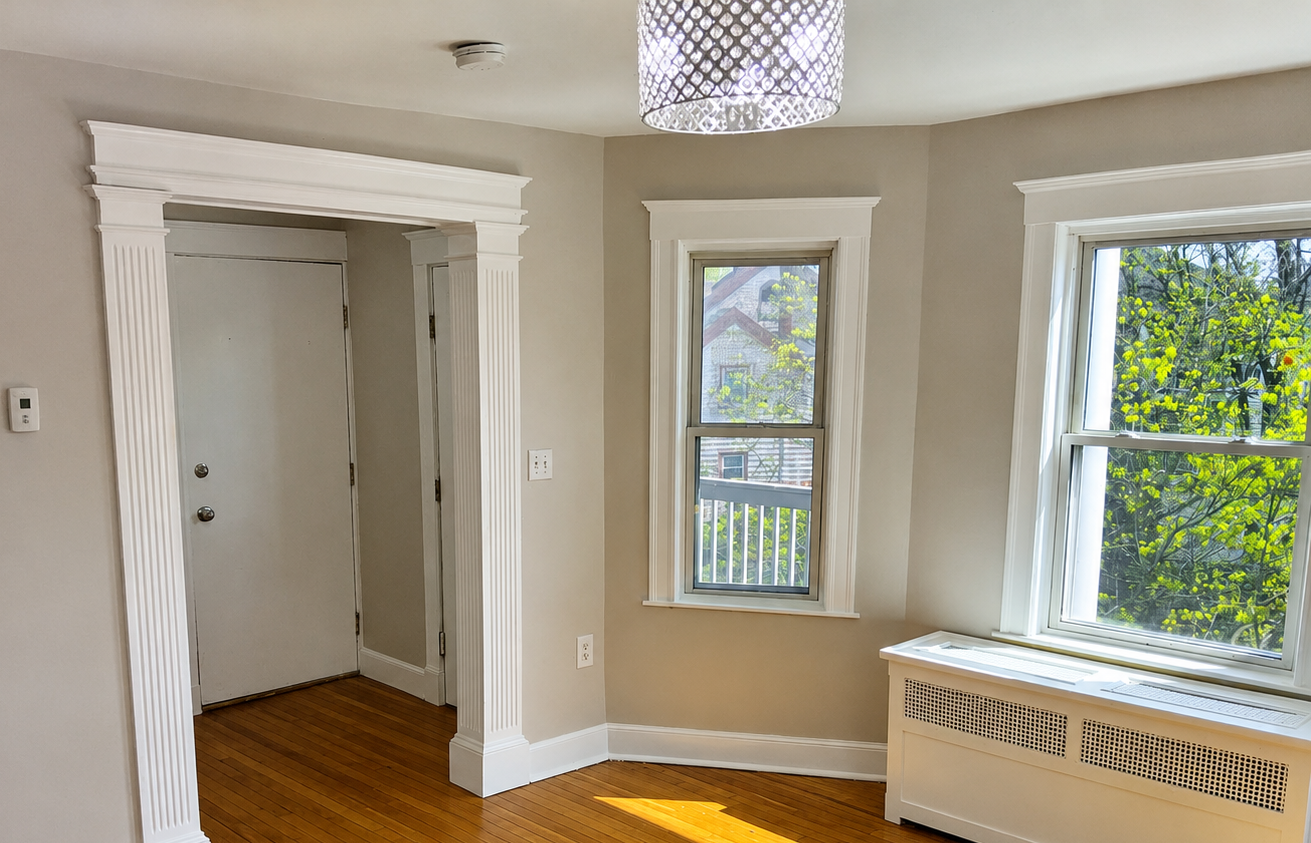
Baseboards, door frames, and interior doors take plenty of everyday wear. Refreshing them can make a room feel cleaner and more finished, especially when you already like the wall color.
Painting stained trim white can create a bigger visual change, but it requires careful preparation. Cleaning, preparing the surface, and using an appropriate primer help support adhesion and address potential stain bleed.
Make sure your estimate identifies exactly which surfaces are included. “Trim” might mean baseboards alone, or it could include window casings, door frames, and crown molding. Doors should also be clearly listed.
Knowing the scope upfront helps avoid surprises and makes it easier to compare painting proposals.
Match the Paint Finish to Your Household
The right paint needs to suit the way you use the room.
A hallway that collects fingerprints has different demands from a guest bedroom. Doors need coatings suited to frequent handling. Dining room walls may need to withstand occasional cleaning around chairs and serving areas.
Sheen affects appearance, but washability and durability also depend on the specific product. Higher sheen can make surface imperfections more noticeable, so selecting the shiniest finish isn’t always the best answer.
Tell your painter where your walls take the most wear. That gives them useful information when recommending a product and finish.
Plan Backward From Thanksgiving
Your hosting date should be part of the painting conversation from the beginning.
The schedule needs to account for protecting the room, preparing surfaces, making agreed repairs, priming where necessary, applying finish coats, and cleaning up. You’ll also need time to put the space back together.
Remember that paint can feel dry before it has fully cured. Follow the manufacturer’s directions before washing the surface or attaching adhesive decorations.
If time is limited, choose a focused project that can be completed properly. A finished dining room or refreshed entryway can make a meaningful difference without taking on every room at once.
What to Look for in a Professional Painting Estimate
A clear estimate should help you understand the finished result and the work required to achieve it.
Look for the rooms and surfaces included, the preparation covered, the proposed products and finishes, and the planned coats. Protection, cleanup, scheduling, and the process for additional repairs should also be explained.
These details matter when comparing prices. One proposal may include doors, trim preparation, and wall repairs while another covers only the walls. Understanding the difference helps you choose based on the work your home needs.
Get Your Home Ready With PTG Painting
A successful Thanksgiving painting project starts with a practical plan: the right surfaces, a color that works in your home, and a clear scope of work.
At PTG Painting, we can walk through your priorities and discuss which improvements will make the most noticeable difference. Whether you want to refresh a dining room, brighten an entryway, or update worn doors and trim, we’ll help you understand the proposed work before you move forward.
We serve homeowners in Stoughton and surrounding South Shore communities, including Canton, Braintree, Quincy, Weymouth, and Brockton.
Contact PTG Painting to request an interior painting estimate. Tell us which rooms you’re considering and when you’re hosting, and we’ll discuss your project and available scheduling options.